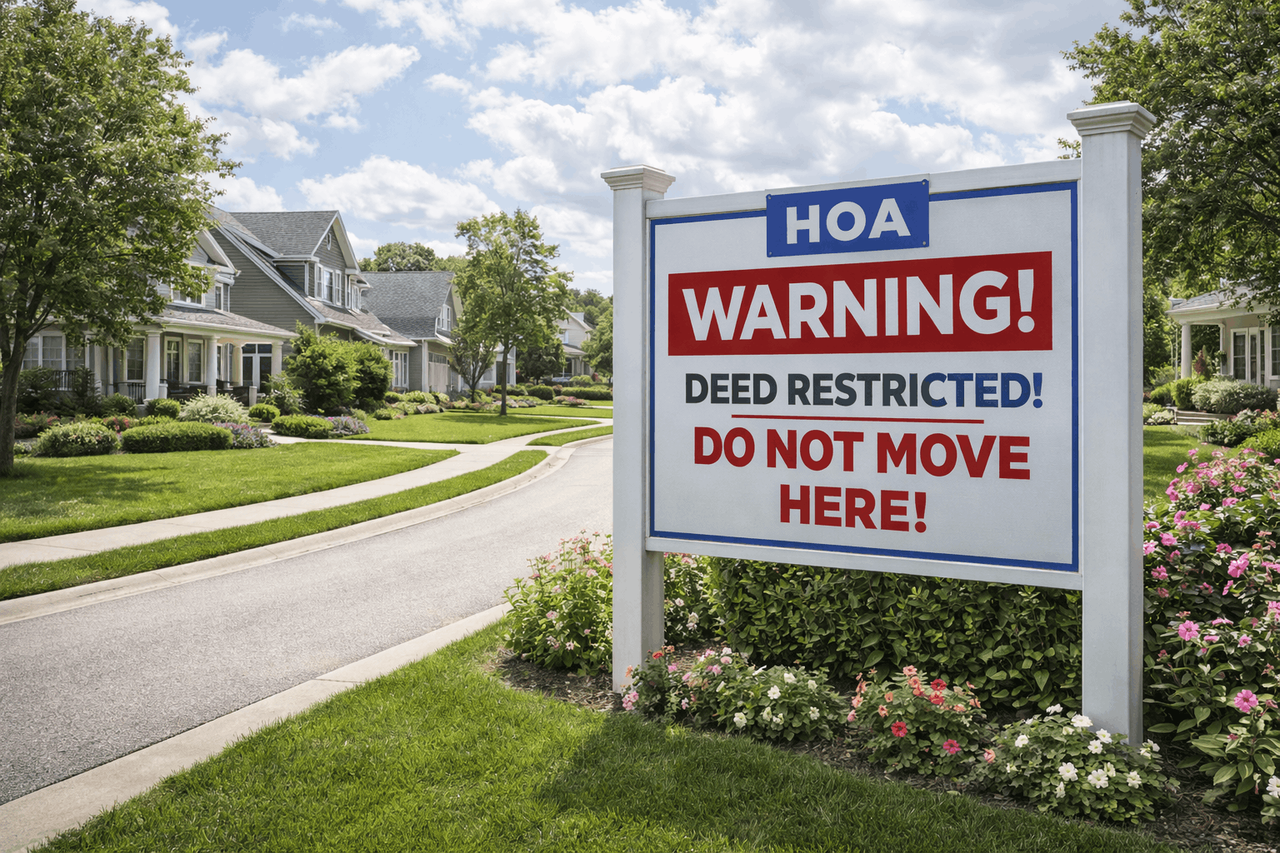
I never expected to get a letter about fines in my email. My “HOA e-mail address” is not for official business purposes. It is for miscellaneous bullshit that I don’t care to know about on a regular basis. This is why I don’t frequently check this email address.
Once again, we are reviewing HOA Community Standards for my neighborhood in Wimauma, Florida, which is located outside of Tampa in the South Shore area of Hillsborough County. Let’s see what they say about pets (emphasis mine):
Assuming you check your email constantly year round, and assuming that you think your HOA is going to contact you with something important by email, and assuming that if your HOA did also contact you via snail mail, that they would actually send that mail to the house you live in in the neighborhood since they definitely know you live there because you have been involved with them through the courts and their attorney and they placed a lien on your house and were foreclosing on it, this is what a violation email looks like:
When you want to modify the exterior of what you thought was your house or your yard, you have to apply to your Homeowners Association Architectural Committee. Per my neighborhood, it is as follows (emphasis mine):
When you closed on your house located in an HOA-governed community, you agreed to things that you may not have imagined. Yes, you as a grownperson—who likely made the largest purchase of your lifetime—signed up to have an abundance of rules for a property you thought you owned. These rules exist to create homogeneity for the betterment of the community, aka “to increase property values…or at least that’s what they continue to tell you. Look at the verbiage HOAs use (emphasis mine):
Getting terminated from your job has its pros and cons. One pro is that if you have been trying to get out of your career field of almost two decades and have been dragging your feet, you instantly get a motivational boost (and extra time to act on it) like never before! Another pro is that you become eligible for unemployment compensation if you were fired without cause.
In my neighborhood in 2020, we started paying for security in our HOA fees because of car break ins. People assumed that those other people were coming in and trying to steal what we hard-working Americans had purchased. Oh the irony because although we may not live in the ghetto, apparently my neighborhood is ghetto—andthis includes the Homeowners Association. What an interesting twist.
I remember one day I was minding my business outside and someone approached me and asked about my neighbor. Stranger Danger! After a few questions, the person identified themselves as a member of the HOA Board. Then, they provided me with some information. The whole time I engaged enough to appear cooperative, but was playing along responding with details that this person already knew. Why would the HOA put me in this situation?